IFPDA member since 2018
Sarah Sauvin
Paris, FR
SARAH SAUVIN Gallery specializes in selected fine prints by old and modern masters from the 15th to the 20th century. We have participated in the main International Fine Art Print Fairs (London Original Print Fair, Paris Print Fair, IFPDA Online Print Fair). We sell important prints to collectors and to museums and institutions all over the world (The Metropolitan Museum of Art, the Art Institute of Chicago, the National Gallery of Art in Washington, the British Museum, the Rijksmuseum in Amsterdam, the Harvard Art Museum, the Bibliothèque nationale de France, the Fondation Custodia…). To be kept informed about our new online listing of prints or new catalogue, please send us an email. We welcome our clients to our gallery in Paris.
Specialties
Works
REMBRANDT HARMENSZOON VAN RIJN (1606 - 1669), Bearded Man in a Furred Oriental Cap and Robe, 1631 — Etching, 145 x 129 mm
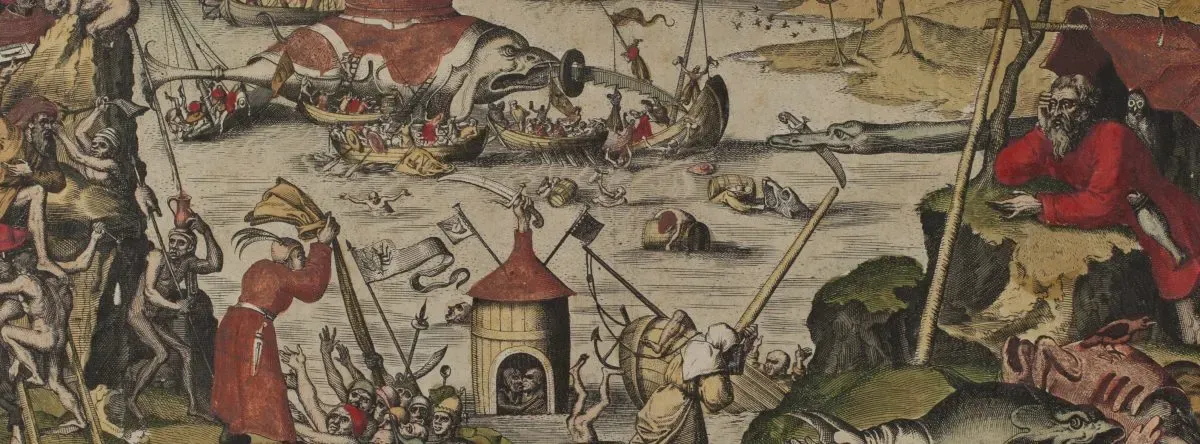
Hieronymus BOSCH (c. 1450 - 1516) (after), The Temptation of St. Anthony, 1561 — Etching and engraving, 430 x 332 mm
Albrecht DÜRER (1471 - 1528), The Virgin and Child Seated by the Wall, 1514 — Engraving, 100 x 146 mm
Claude GELLÉE known as LE LORRAIN (ca. 1600 - 1682), Le Bouvier [The Cowherd], 1636 — Etching and drypoint, 130 x 200 mm, Very rare
Hans Sebald BEHAM (1500 - 1550), Dido's Suicide, 1520 — Engraving, 130 x 96 mm, Very rare
Odilon REDON (1840 - 1914), Lutte de cavaliers [Horsemen in combat], 1865 — 83 x 182 mm (image), 100 x 200 mm (platemark), Only one other impression of the first state is known
Represented artists
- Albrecht ALTDORFER
- Hans Sebald BEHAM
- Jacques BELLANGE
- Abraham BOSSE
- Félix BRACQUEMOND
- Rodolphe BRESDIN
- Pieter BRUEGEL
- Félix BUHOT
- Jacques CALLOT
- Giovanni Antonio CANAL known as CANALETTO
- Albrecht DÜRER
- Paul GAUGUIN
- Claude GELLÉE known as LE LORRAIN
- Hendrick GOLTZIUS
- Francisco GOYA y LUCIENTES
- Charles MERYON
- Giovanni Battista PIRANESI
- Odilon REDON
- REMBRANDT HARMENSZ. VAN RIJN
- Armand SEGUIN
Works available by
- Albrecht ALTDORFER
- Ludolf BAKHUIZEN
- Nicolas BEATRIZET
- Hans Sebald BEHAM
- Jacques BELLANGE
- Jean-Jacques de BOISSIEU
- Louis-Marin BONNET
- Pieter van der BORCHT
- Abraham BOSSE
- Félix BRACQUEMOND
- Rodolphe BRESDIN
- Félix BUHOT
- Jacques CALLOT
- Luca CAMBIASO
- Marten van CLEVE
- Jean-Baptiste Camille COROT
- Etienne DELAUNE
- Albrecht DÜRER
- Frans FLORIS
- Paul GAUGUIN
- Claude GELLÉE known as LE LORRAIN
- Alberto GIACOMETTI
- Hendrick GOLTZIUS
- Francisco GOYA y LUCIENTES
- Prosper-Alphonse ISAAC
- Jean-Émile LABOUREUR
- Sébastien LECLERC
- Jean-Etienne LIOTARD
- Jacob MATHAM
- Charles MERYON
- Johannes MEYSSENS
- Jean-Baptiste Marie PIERRE
- Giovanni Battista PIRANESI
- Camille PISSARRO
- Odilon REDON
- REMBRANDT HARMENSZ. VAN RIJN
- Aegidius SADELER
- Armand SEGUIN
- Théophile Alexandre STEINLEN
- Lambert SUAVIUS (ZUTMAN)
- Reinier NOOMS known as ZEEMAN