Analia Saban - Data Center
Ongoing
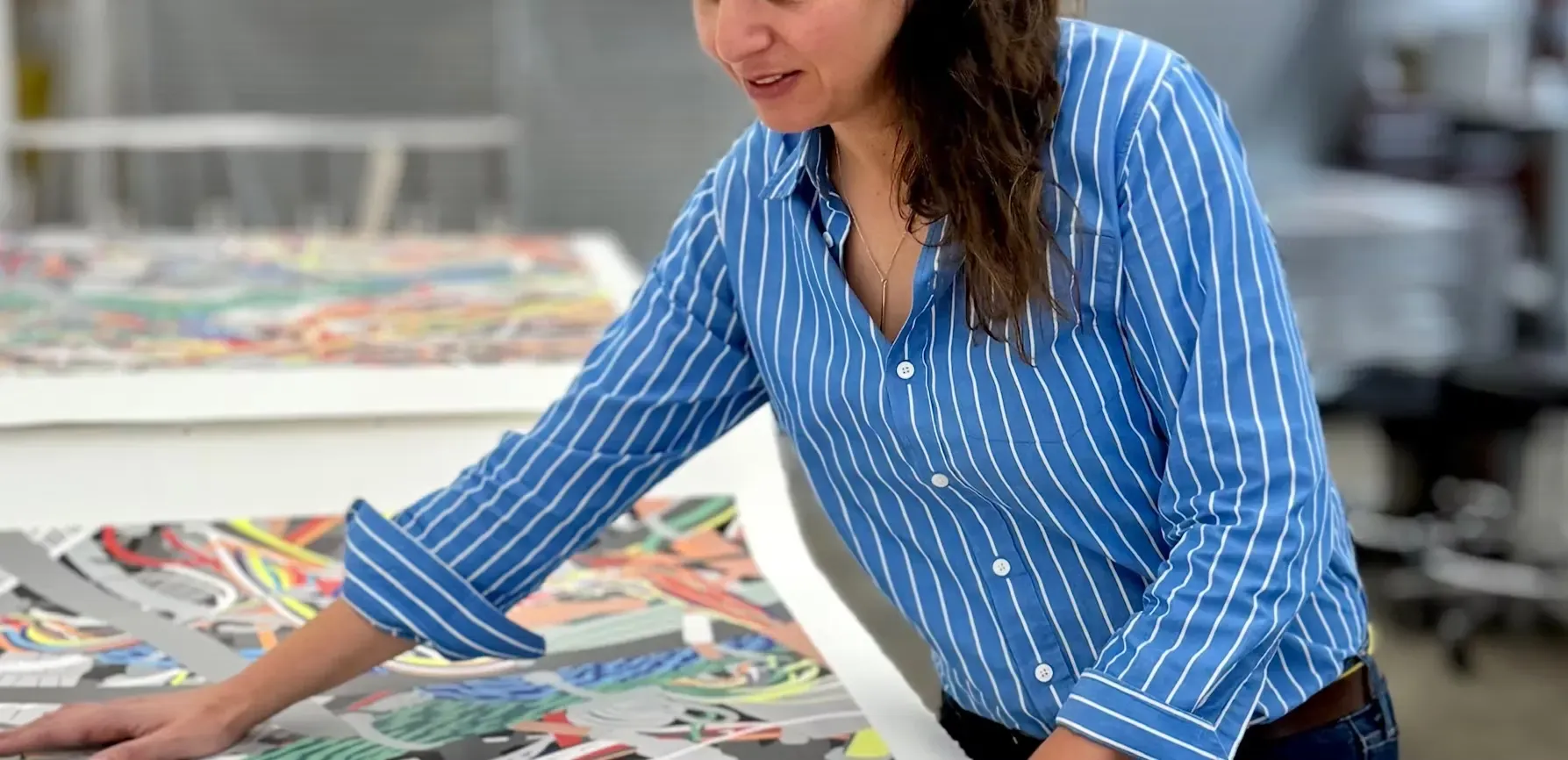
We live in a moment when everything is quantifiable — or at least, everything is being made to seem so. Our social lives, our finances, our attention, our time: all of it flowing through data centers we never see, stored in servers that run hot and require vast cooling systems just to keep functioning. Data Center takes that condition as its subject, and asks what it means to make something physical, handmade, and natural out of the infrastructure of the digital world.
The Pie Chart series begins with a formal provocation. Woodcut is one of the oldest printmaking processes, rooted in the grain and resistance of natural material. The pie chart is among the most familiar tools of data visualization — a diagram designed to make information legible at a glance, to reduce complexity to clean proportion. Saban brings them together deliberately. The beauty of the wood grain is not incidental; it is the point. The organic surface pushes back against the rational diagram, absorbing it, complicating it, making it feel ancient rather than analytical. Two opposites — the digital and the natural — held in the same image.
The titles carry their own quiet wit. Pie Chart (11%, 14%, 19%, 6%, 11%, 7%, 16%, 16%) promises exactitude — eight segments, perfectly totaling 100% — yet no legend is provided, no context given. The structure of data remains, but its meaning is withheld. Pie Chart (3%, 8%, 11%, 11%, 67%) tips into imbalance, one segment consuming the composition while the others are reduced to slivers. Pie Chart (40%, 60%) strips the form to its simplest terms: two masses, a majority and a minority, reading almost like landscape.
Pie Chart (33.3%, 33.3%, 33.3%) proposes perfect equality — and then quietly fails to achieve it. Three times 33.3% reaches only 99.9%. The system almost closes, but never fully does. And Pie Chart (1%, 99%) takes that logic to its limit: a vast field of dark woodgrain with the thinnest sliver of light at the edge. The diagram is technically complete, but one segment has all but vanished. The data is present; the meaning is not. These are works about the things that cannot truly be quantified — emotion, experience, connection — forced into a form that insists on quantifying everything. The geometry of the circle, the triangle, the line carries an emotional charge that the diagram was never designed to hold.
E-Trash completes the picture in full color — the only work in the exhibition to break from the black-and-white vocabulary of the woodcuts. The cables are the junk, the overflow, the physical residue of digital life. Every email, every stored file, every transaction involves an enormous amount of unseen material labor and physical infrastructure. Saban renders that tangle as something almost painterly, even ecstatic — connecting it to the energy of Abstract Expressionism, the allover field, the sense of total immersion. What part of your life, the work seems to ask, is the computer? What part of your interior life has passed through a cable, a server, a data center?
Computer Fan (Woodcut) extends the series into more urgent territory. Data centers generate enormous heat. The cooling systems required to keep them running — fans, ventilation, temperature regulation on a massive scale — are among the least visible and most consequential infrastructures of contemporary life. Saban renders the computer fan in black and white woodcut, printed with oil-based inks: a natural medium for a machine component. The result is unexpectedly monumental. What is ordinarily disposable, invisible, purely functional acquires a strange weight. The warming of the planet and the cooling of the machine are part of the same system.
For this exhibition at Gemini, Saban has chosen to show the full edition of Computer Fan (Woodcut) — all 30 impressions together. It is a decision that honors the labor of the printers, making visible the process and the people behind it, the physical act of combining hand and machine that printmaking has always been. To see the full edition is to understand that each impression is both identical and singular, that repetition and uniqueness are not opposites. It is also, in its own way, a form of connection — between the artist and the printer, between the viewer and the work, between the handmade and the quantified world we now inhabit.
More to see
 On view
Gemini G.E.L.
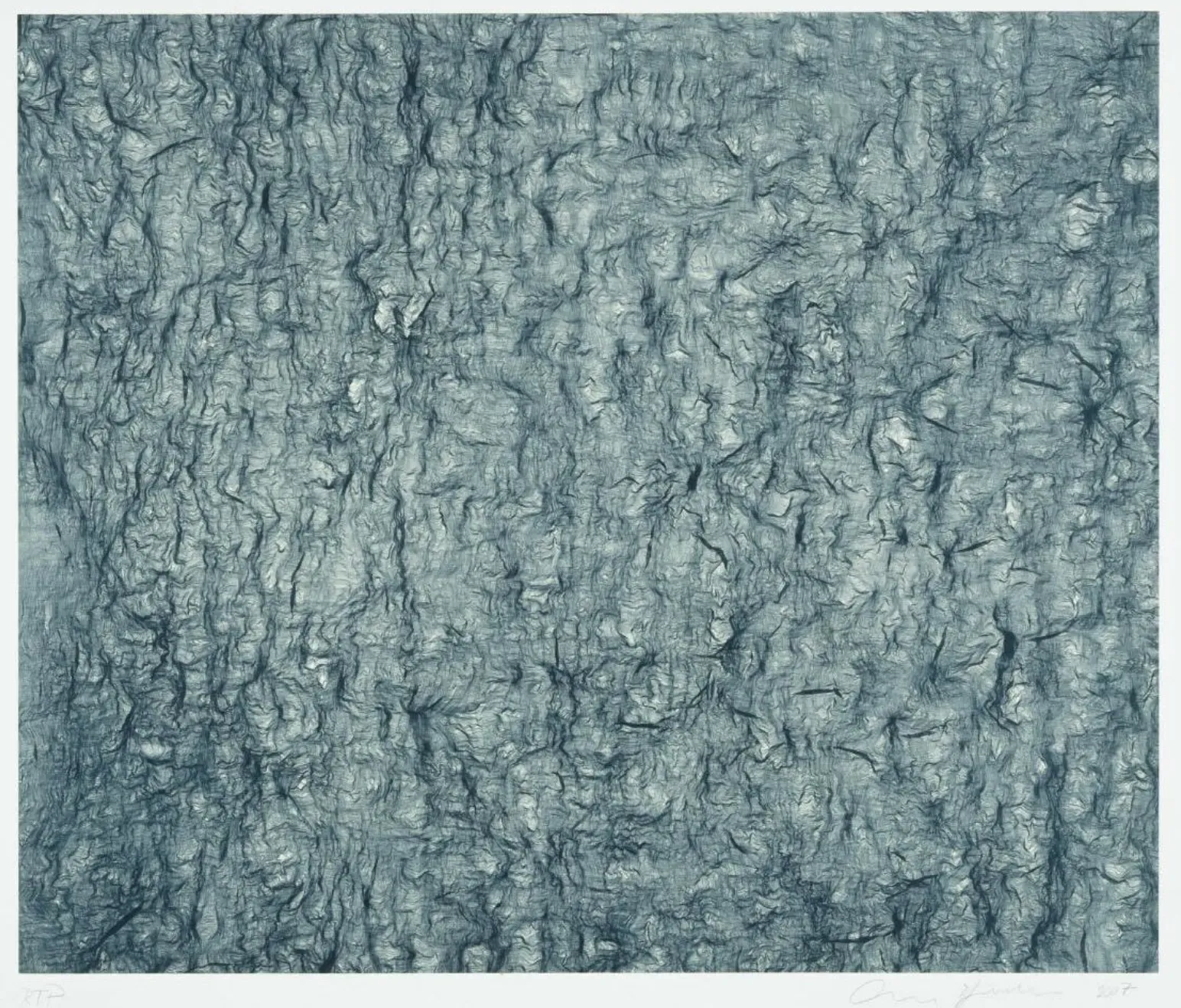
(Almost) Every Year: Sixty Years of Printmaking at Gemini G.E.L
Gemini G.E.L., the renowned Los Angeles fine art print publisher and gallery, marks its 60th anniversary this fall with '(Almost) Every Year: Sixty Years of Printmaking at Gemini G.E.L.', opening September 10, 2026, at Gemini G.E.L. in Los Angeles.
Gemini G.E.L.
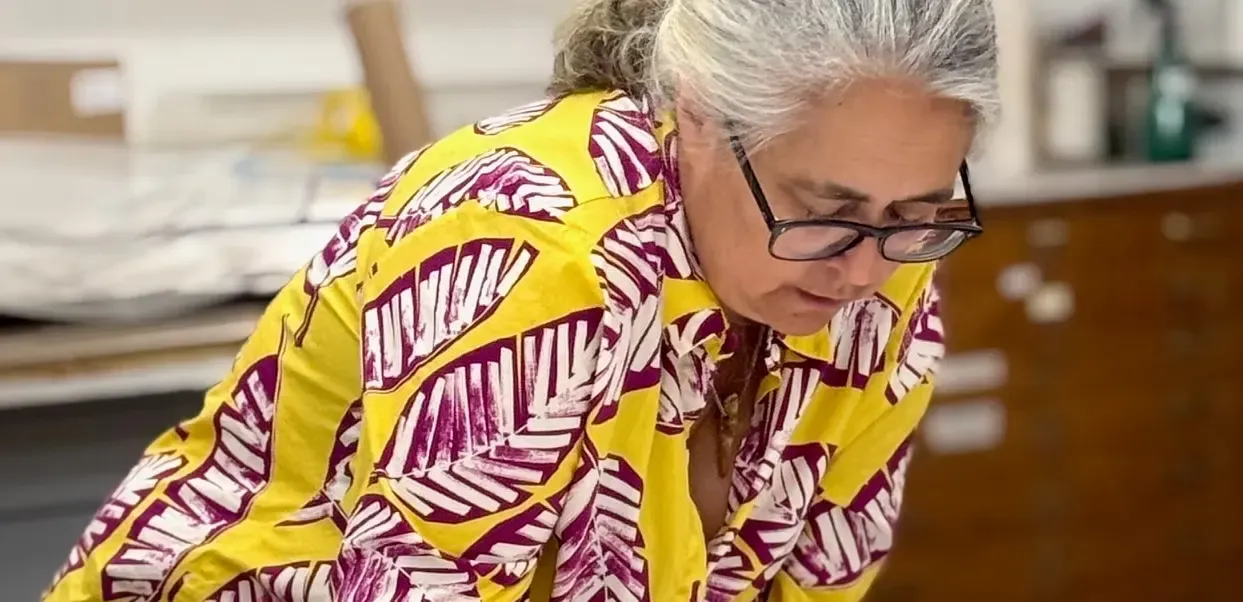
Tacita Dean: Eclipse Drawings
In April 2024, Tacita Dean traveled to Eagle Pass, Texas, with a singular intention: to watch a total solar eclipse. Having filmed several total eclipses over the years, she wanted to experience one without being behind the lens.
Gemini G.E.L.
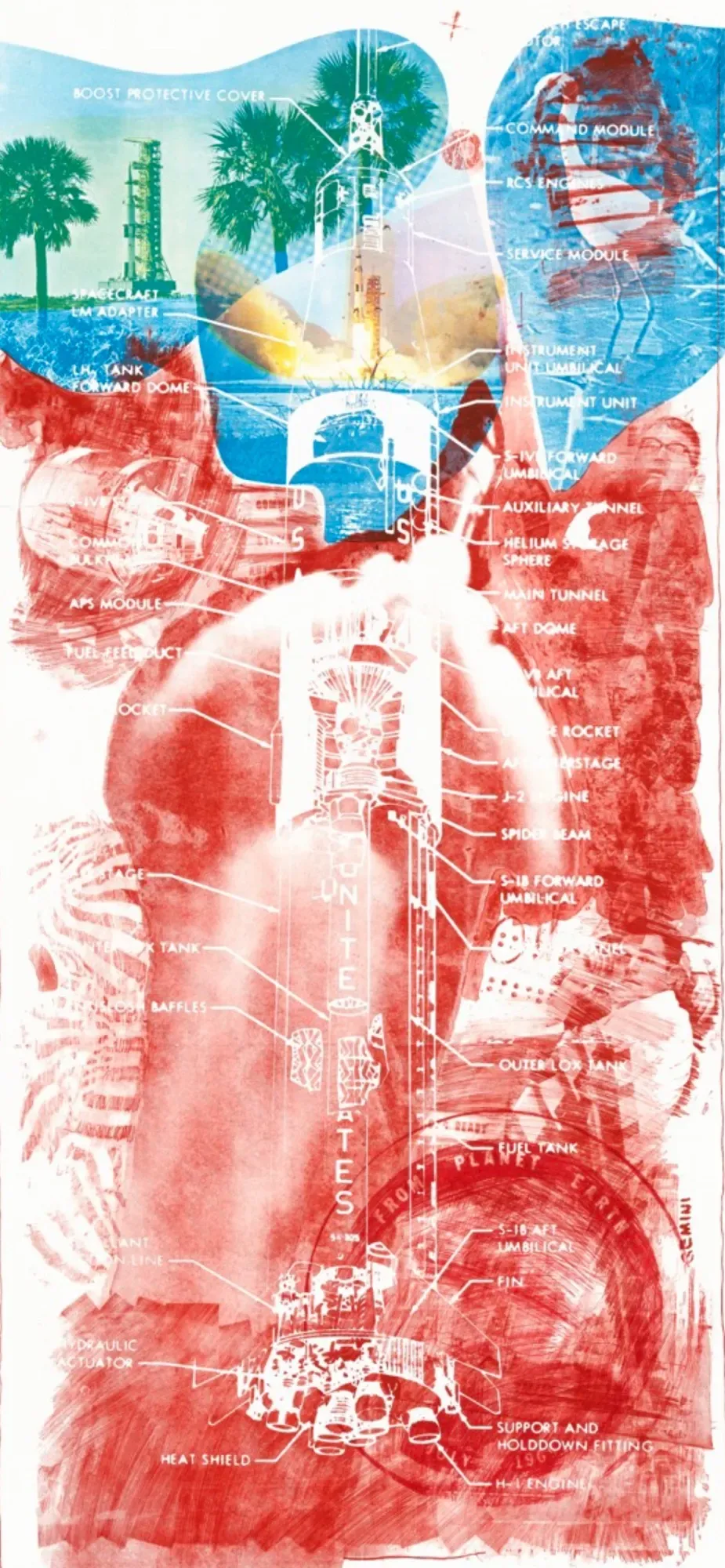
Robert Rauschenberg at Gemini G.E.L.: Celebrating Four Decades of Innovation and Collaboration
September 20 – December 19, 2025 Robert Rauschenberg at Gemini G.E.L.: Celebrating Four Decades of Innovation and Collaboration Gemini G.E.L. In Person Viewing: 8365 Melrose Ave.Los Angeles, CA 90069 Online Viewing: https://www.geminigel.com/viewing-room/robert-rauschenberg-