(Almost) Every Year: Sixty Years of Printmaking at Gemini G.E.L
September 10 – December 18, 2026 · Los Angeles, CAOn view
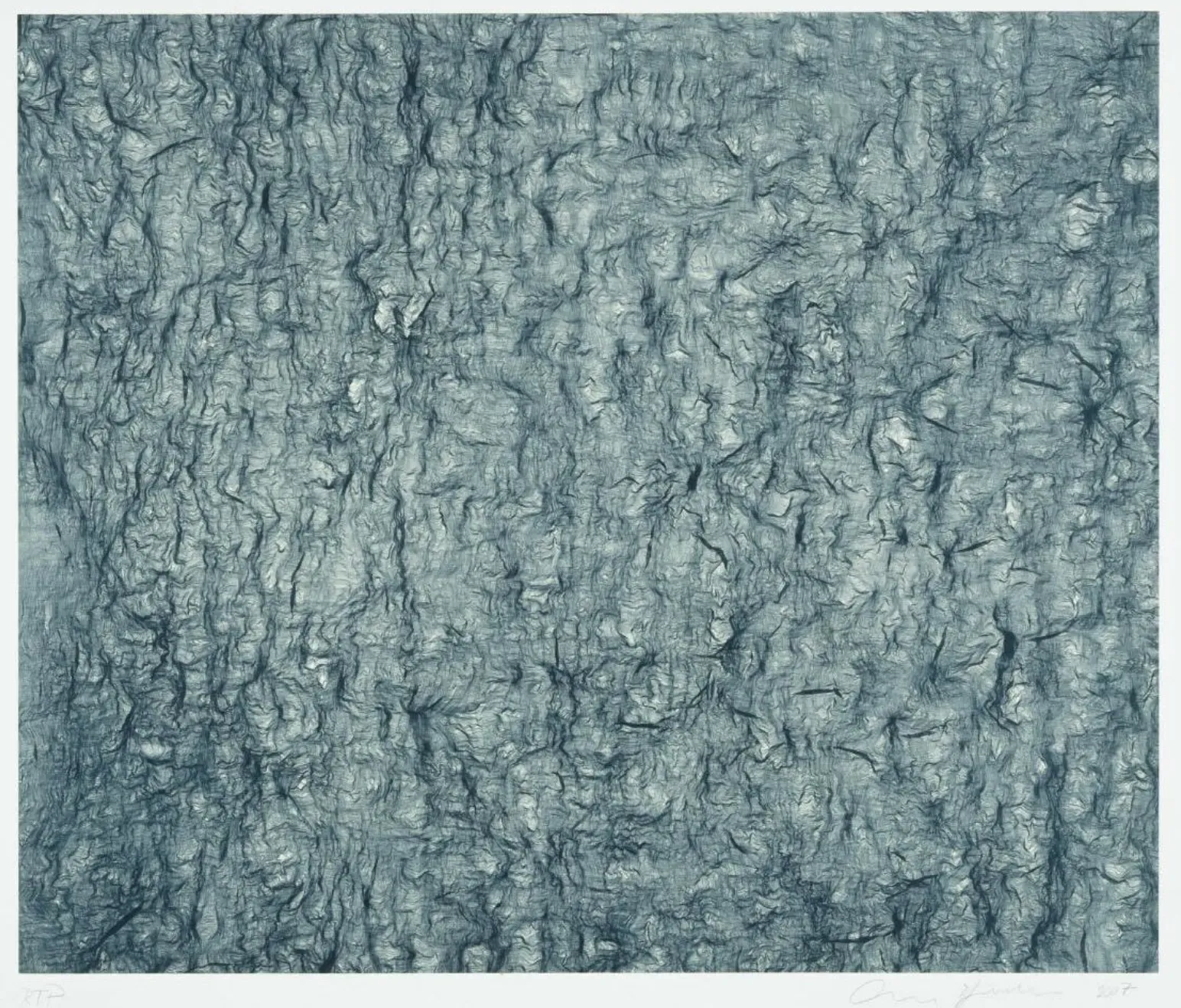
LOS ANGELES, CA— Gemini G.E.L., the renowned Los Angeles fine art print publisher and gallery, marks its 60th anniversary this fall with ‘(Almost) Every Year: Sixty Years of Printmaking at Gemini G.E.L.’, opening September 10, 2026, at Gemini G.E.L. in Los Angeles. Curated by Susan Dackerman and Helen Molesworth, the show highlights the diverse range of editioned works produced at Gemini since its founding in 1966, when Sidney B. Felsen and Stanley Grinstein established the workshop as a home for limited-edition fine art prints and sculptures. Located at 8365 Melrose Avenue in the city’s arts and design district, with two on-site galleries — one designed by Frank Gehry and completed in 1979 — Gemini has collaborated by invitation with many of the most influential artists of the late 20th and early 21st centuries, including John Baldessari, Vija Celmins, Tacita Dean, David Hockney, Jasper Johns, Ellsworth Kelly, Roy Lichtenstein, Julie Mehretu, Robert Rauschenberg, Ed Ruscha, and Richard Serra, among others. Now stewarded by the families of Felsen and Grinstein, Gemini continues the founding ethos that this exhibition sets out to trace across six decades: bringing artists’ visions to life through creativity, experimentation, and invention.
Rather than focusing monographically on the lives and “greatest hits” of the many celebrated artists who have worked at Gemini, Dackerman and Molesworth have selected works from nearly every year of the publisher’s sixty-year history, presenting the artworks within the framework of the changing cultural contexts, artistic strategies, and individual styles that shaped them. Presented chronologically, the exhibition also emphasizes Gemini’s core values: friendship, collaboration, and continuity. Generations of Gemini artists absorbed not only the city’s creative energy but each other’s ideas. The exhibition makes that exchange visible, tracing how closely they were influencing one another’s work.
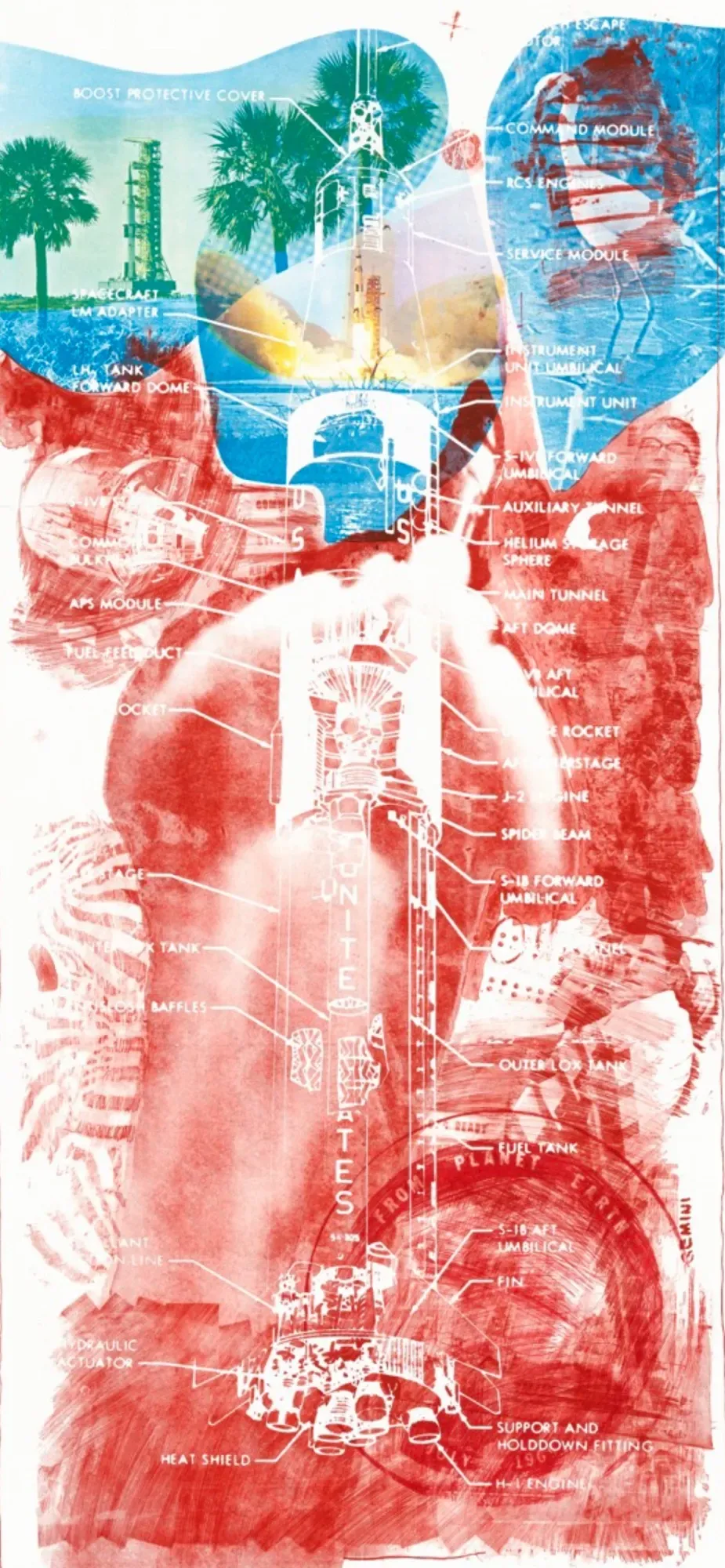
In the late 1960s, for example, Robert Rauschenberg became known for introducing found imagery into lithographs such as ‘Sky Garden’. Meanwhile, Jasper Johns was drawing directly on the lithographic stone — yet his ‘Figure 7’ incorporates a reproduction of the ‘Mona Lisa’. Additionally, David Hockney’s 1973 lithograph ‘Wind’ subtly incorporates his own found imagery, including a drawn reproduction of other prints from his Weather Series.
The exhibition is organized by decades, highlighting recurring themes in Gemini’s history. It shows how everyday objects like a light bulb, cheese wedge, or gasoline can were elevated to art by artists like Johns, Ed Ruscha, and Ed Kienholz in the 1970s. This theme continues in Robert Gober’s 2000 lithographic shoes. The exhibition also explores a long-term focus on color, starting with Josef Albers’ ‘White Line Squares’ and Ellsworth Kelly’s bold forms at Gemini’s founding, then moving through artists in the ’80s and ’90s like Dan Flavin, Elizabeth Murray, and perhaps Richard Serra, spanning from the brightest reds to Serra’s darkest blacks, and finally to Tacita Dean’s ‘Pantone Pairs’ today.
The exhibition also reflects the expanding range of voices who have shaped Gemini’s studio over six decades. Female artists like Dorothea Rockburne, Vija Celmins, and Susan Rothenberg joined the roster in the 1980s, and Gemini continues to collaborate with some of the most significant artists at work today— a reflection, in part, of the commitment of current owners Suzanne Felsen, Ayn Grinstein, Ellen Grinstein, and Joni Moisant Weyl, to a diverse and evolving artistic community.
“Gemini’s 60 years of creating extraordinary prints by exceptional artists makes organizing a retrospective exhibition exciting, but not easy. A space ten times the size would be necessary to include all of the outstanding works of art they have produced ” says Susan Dackerman. “Looking through Gemini’s staggering output of the last 60 years is a dual lesson—one in art history and one in the history of art in LA,” says Helen Molesworth.
More to see
Gemini G.E.L.
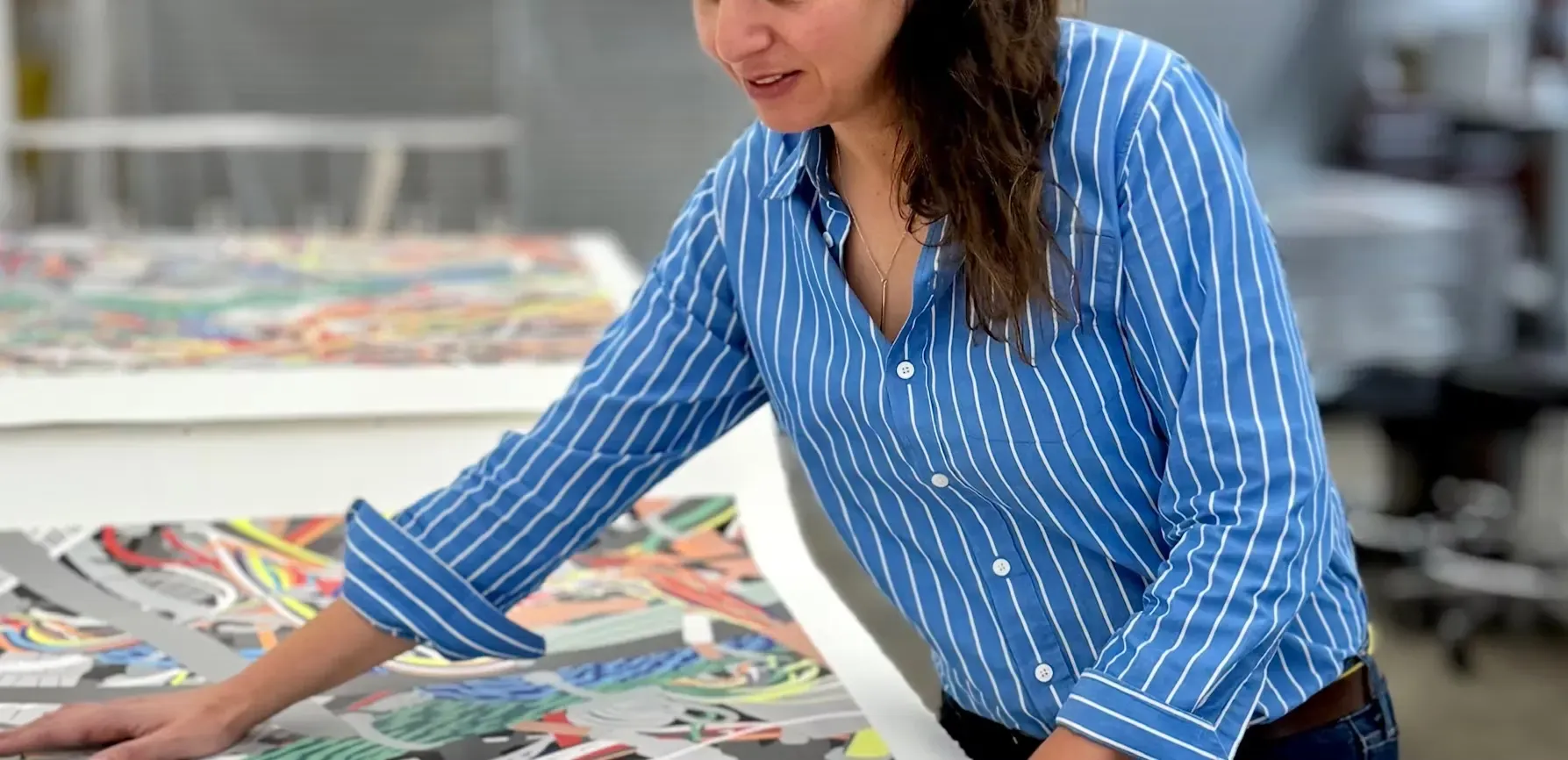
Analia Saban - Data Center
We live in a moment when everything is quantifiable — or at least, everything is being made to seem so.
Gemini G.E.L.
Tacita Dean: Eclipse Drawings
In April 2024, Tacita Dean traveled to Eagle Pass, Texas, with a singular intention: to watch a total solar eclipse. Having filmed several total eclipses over the years, she wanted to experience one without being behind the lens.
Gemini G.E.L.
Robert Rauschenberg at Gemini G.E.L.: Celebrating Four Decades of Innovation and Collaboration
September 20 – December 19, 2025 Robert Rauschenberg at Gemini G.E.L.: Celebrating Four Decades of Innovation and Collaboration Gemini G.E.L. In Person Viewing: 8365 Melrose Ave.Los Angeles, CA 90069 Online Viewing: https://www.geminigel.com/viewing-room/robert-rauschenberg-