Lorna Simpson
September 8 – October 10, 2026 · Boston, MA
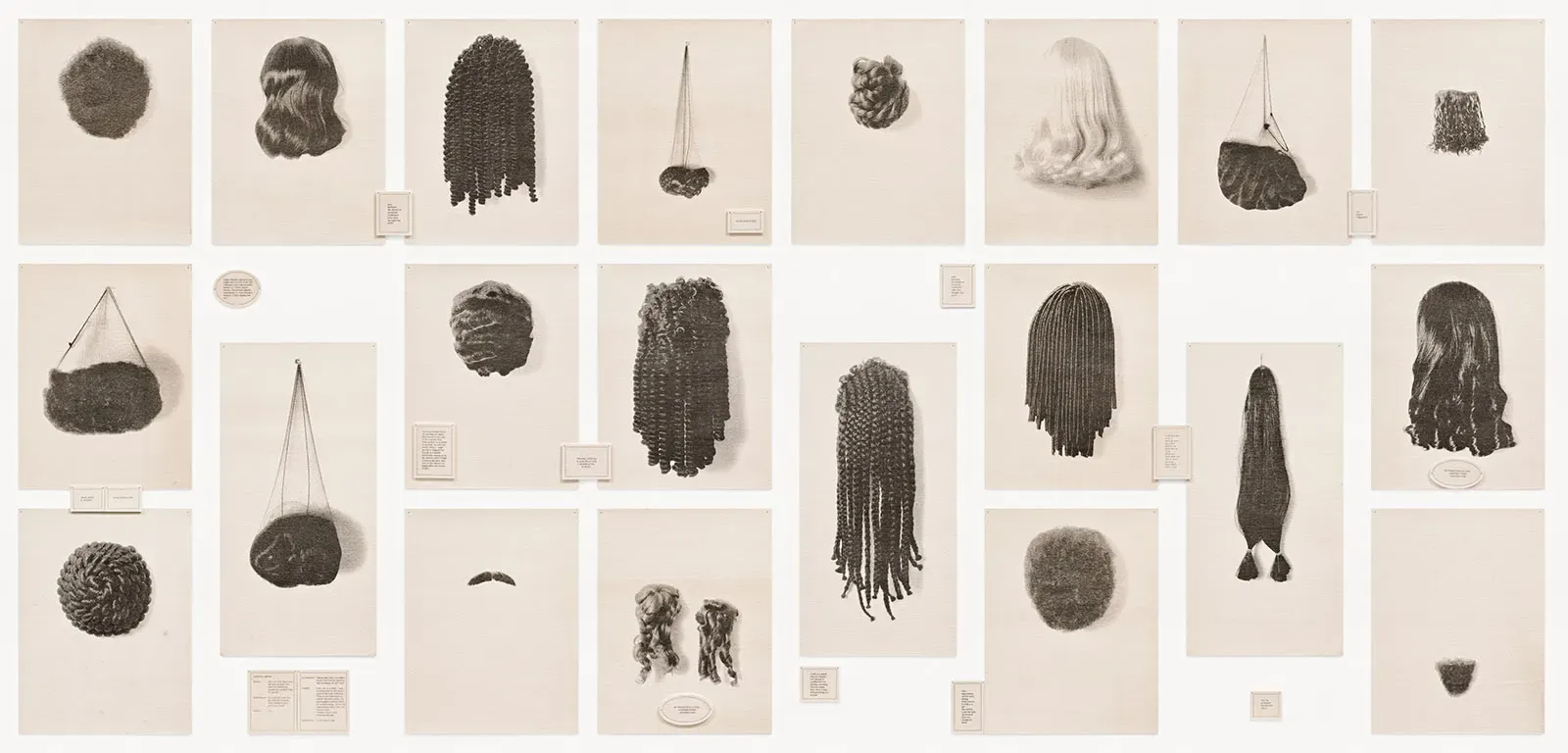
Lorna Simpson’s current exhibition at Krakow Witkin Gallery presents text- and image-based works made between 1991 and 2002. The material and conceptual variety of the pieces on view speak to the numerous approaches that Simpson used during a highly pivotal period in her work.
The earliest work, “IS” (1991), a traditional gelatin silver print, suggests a black woman or girl wearing a uniform shirt and skirt. The head is cropped out of the image, the left hand holds what might be notebooks or pamphlets. The letters “IS” appear on the left breast of the shirt, so bold they seem as though they were added on top of the photo. Yet the text is in the image and so the word exists in the same “reality” as the figure which brings into question: who is this person and what is she doing? Certainly, the figure “is” there, but what the viewer makes of this is undetermined. One must bring to the work and also question what one brings. This dynamic carries through all the works on view.
“Van Der Zee Prop Vase” (1994) is a silkscreen print of a deeply saturated black and white image of a black glass vase, positioned on a table in front of a nondescript background. The black vase had been created by master craftspeople during Simpson’s 1994 artist residency at Pilchuck Glass School, in Washington State. The artist prompted the glassblowers to simply create a replica of Harlem Renaissance photographer James Van Der Zee’s prop from a particular undated photograph. After the residency concluded, Simpson shipped the glass to her New York studio, where she proceeded to photograph it.
Centered beneath the silkscreened photograph of the vase is a text that lists the title and date of the source photograph. This information is followed by Van Der Zee’s name and a description of the undated source photograph, written by Simpson. The description begins with the person within Van Der Zee’s portrait and, only at the end, mentions the specific vase that Simpson recreated and “re-photographed” (her terminology). Through this proxy description, Simpson is asking the viewer to conjure or imagine Van Der Zee’s composition first, even though the prop is the sole object depicted within the image. Simpson has made central and beautiful that which is most often marginal, all while questioning dynamics of awareness, knowledge, and hierarchy.
The multi-part installation “Wigs,” also from 1994, consists of 21 lithographs printed on thick felt, each depicting a wig purchased in Brooklyn. Displayed in an orderly yet varied manner, these typological specimens are paired with 17 small fragments of text, also printed on felt. The texts vary from a psychoanalyst’s interview with the mother of a fetishist to passages from William and Ellen Craft’s 1860 slave narrative describing their escape from bondage through disguise, among numerous others. Together, text and image explore the wig as an instrument of concealment, desire, race, identify, and transformation. The texts are intimate and require close proximity to read and yet the work as a whole is on a scale—the installation is 72 x 163 inches (183 x 412 cm)—that requires the viewer to step back to see the whole piece at once.
“15 Mouths” (2002) is composed of fifteen tightly cropped digital photographs of people’s lips, each with a short text letterpress-printed below it, accompanied by an audio recording of an ensemble humming (not singing) the lyrics of the Richard Rodgers and Lorenz Hart tune “It’s Easy to Remember (And So Hard to Forget)”. Simpson chose the tune as she has vivid memories of John Coltrane’s version of the song being present throughout her childhood. The text below each image of lips could potentially refer to the internal monologues inside the unseen head to whom the lips belong. As Holland Cotter wrote about Simpson’s 2011 Brooklyn Museum exhibition in the New York Times, “Much of Lorna Simpson’s photo-based work has been about African-American identity approached from an oblique and elusive perspective. Most of the figures in her pictures, usually black women, were filmed with their backs to the camera, as if to make them generic presences, adaptable to any narrative. The implication is that there are many narratives about race available, all of them conditional and subjective, created by the pressures of personal experience, interpretation and memory.”
In-person viewing: 10 Newbury Street Boston, Massachusetts 02116
More to see
Krakow Witkin Gallery
Print Publisher Spotlight: Caira Art Editions
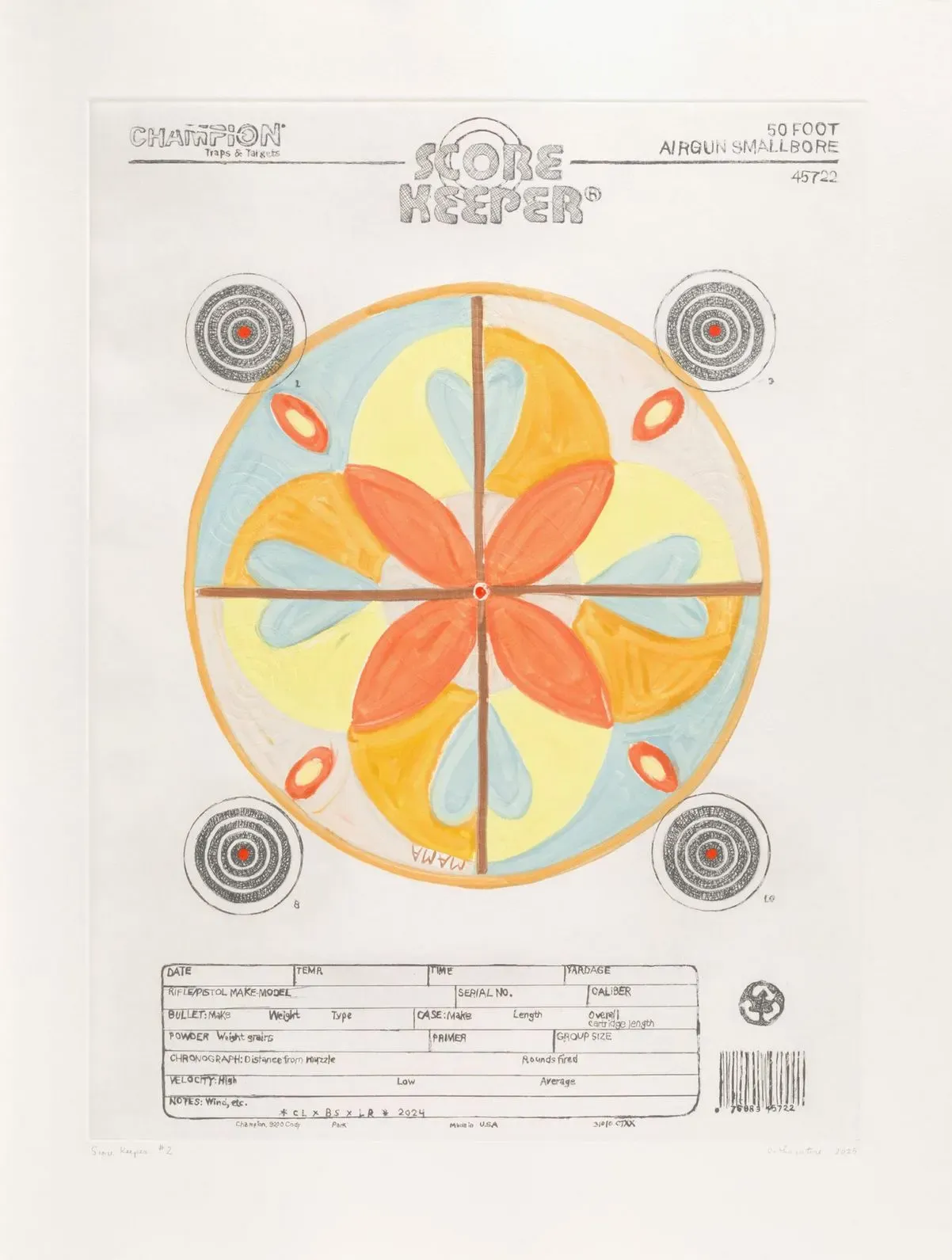
May 30 – July 17, 2026 Print Publisher Spotlight: Caira Art Editions Krakow Witkin Gallery In Person Viewing:10 Newbury StreetBoston, MA 02116 Reception: Saturday, May 30, 3–5 PMGallery talk: Tuesday, June 16, 5:30 PM Online Viewing: https://www.krakowwitkingallery.com/exhib
Krakow Witkin Gallery
John Cage and Kay Rosen
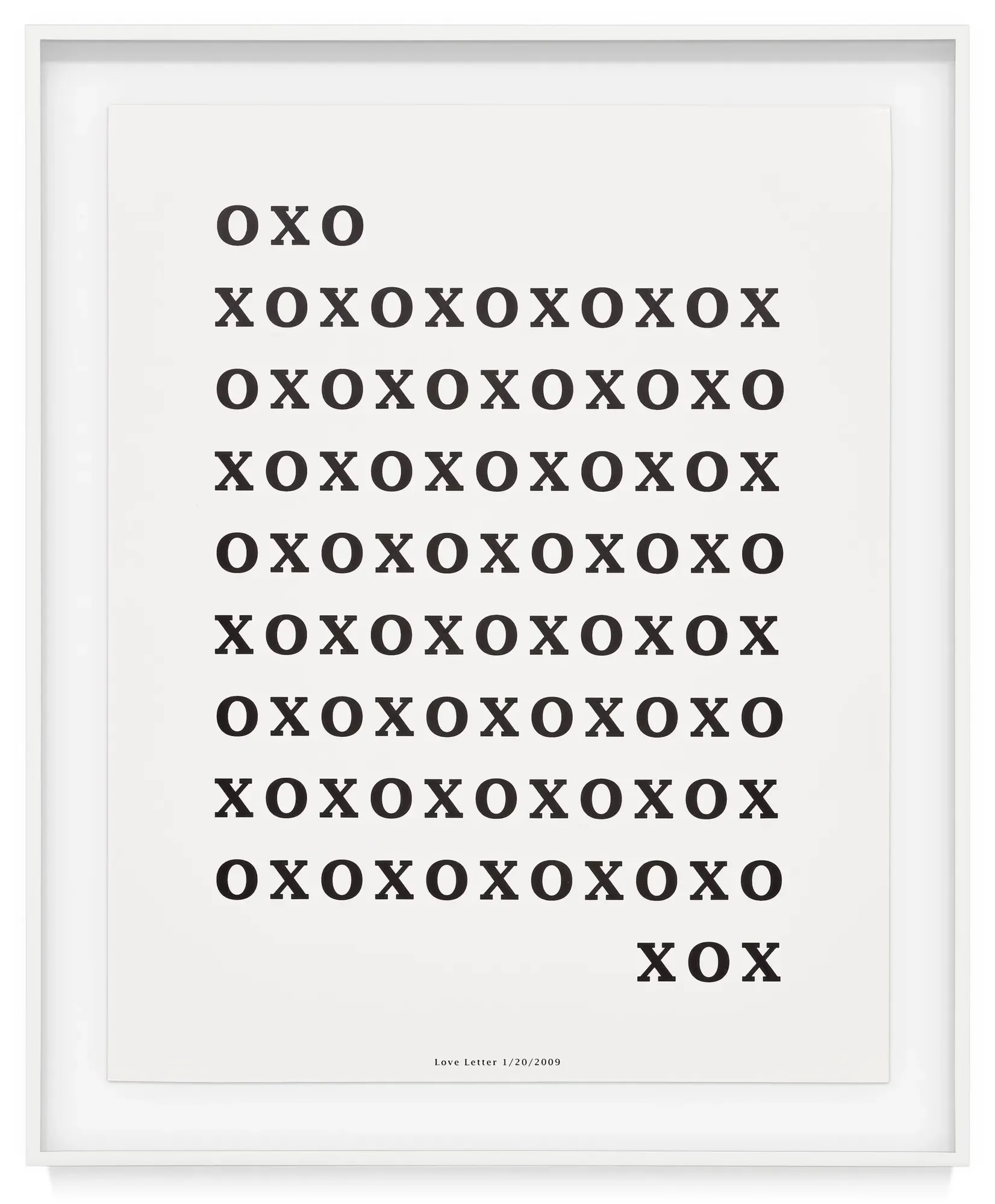
March 21 – May 9, 2026 John Cage and Kay Rosen Krakow Witkin Gallery In Person Viewing: 10 Newbury StreetBoston, MA 02116 Online Viewing: https://www.krakowwitkingallery.com/exhibition/john-cage-and-kay-rosen/ “I think my primary appreciation of Cage’s Ryoanji works is the p
Krakow Witkin Gallery
Julie Mehretu, Sarah Sze, and Jacques Villon
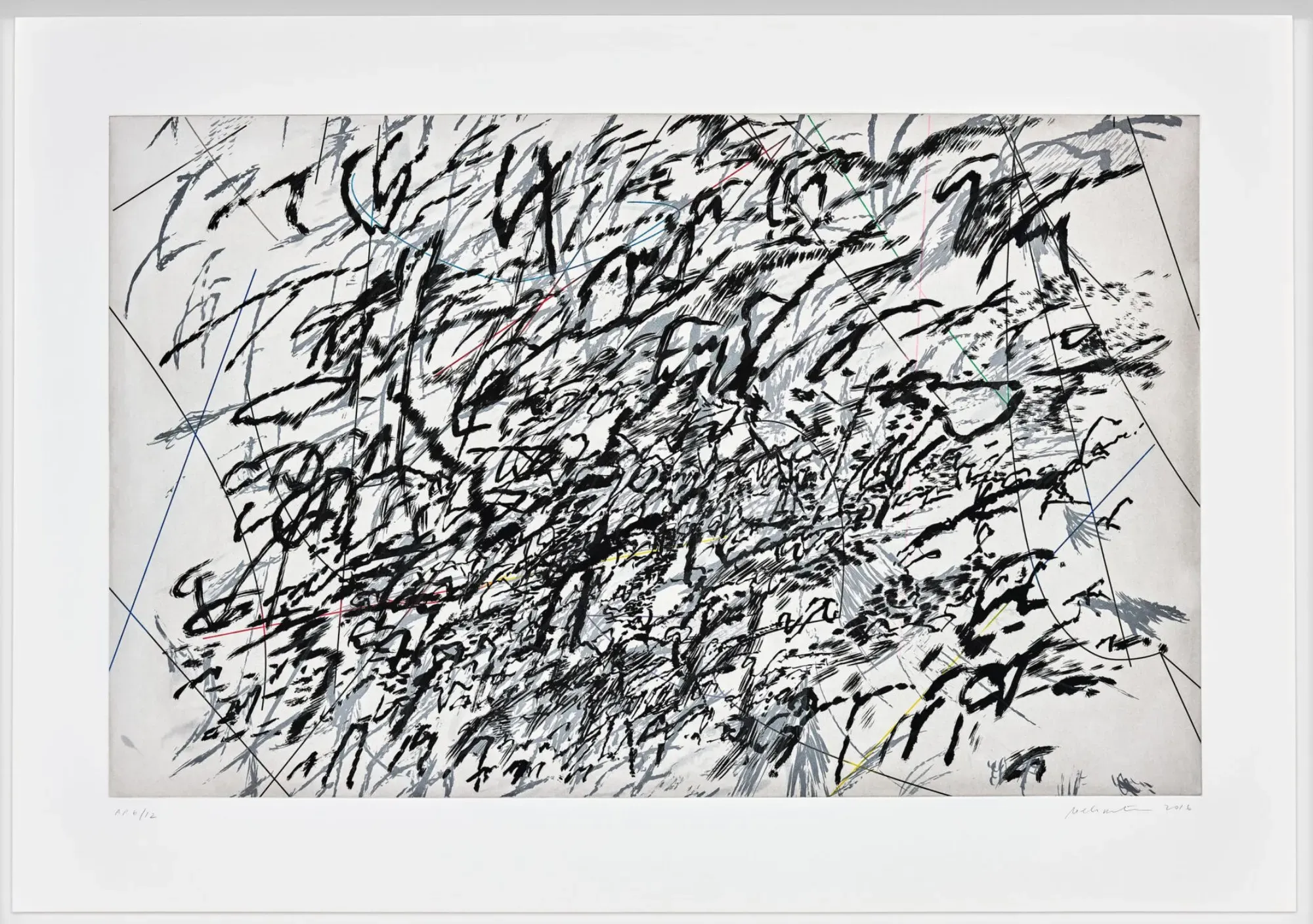
January 17 – March 7, 2026 Julie Mehretu, Sarah Sze, and Jacques Villon Krakow Witkin Gallery In Person Viewing: 10 Newbury StreetBoston, MA 02116 Online Viewing: https://www.krakowwitkingallery.com/exhibition/julie-mehretu-sarah-sze-and-jacques-villon/ Krakow Witkin Gallery