Jack Whitten The Numinous
September 30, 2026 – January 10, 2027 · Los Angeles, CAOn view
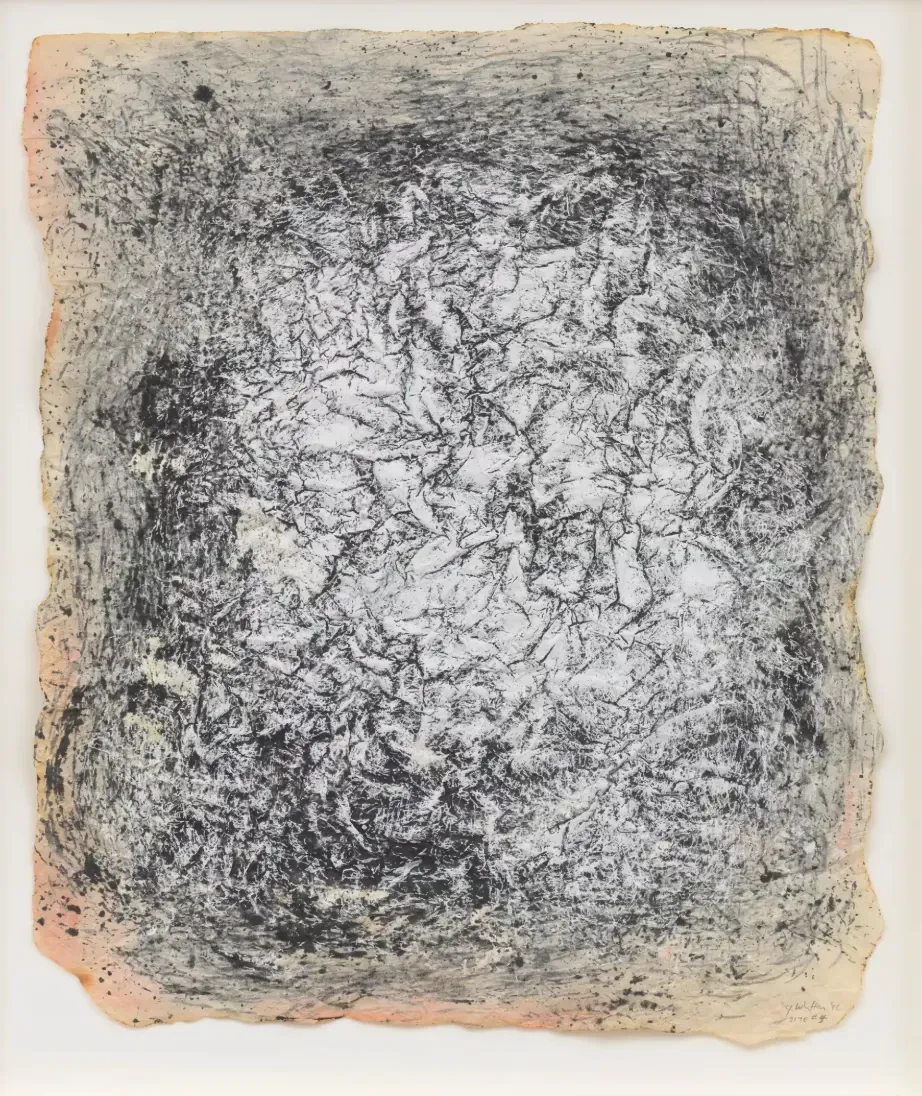
Following the late artist’s critically acclaimed 2025 retrospective at The Museum of Modern Art, New York, we’re pleased to present ‘The Numinous,’ an exhibition of Jack Whitten’s paintings and works on paper from the 1980s, at our Downtown Los Angeles gallery. The exhibition focuses on a pivotal and still under-examined period in Whitten’s six-decade career, where technical innovation and spiritual inquiry came together with new force.
After a 1980 house fire forced an extended pause in his practice, Whitten returned with renewed urgency. Testing and pushing acrylic paint to new effects, he began to treat the medium as a dense, malleable material—something that could be cut, layered and collaged like ‘a skin.’ Another turning point came in 1983, when The Studio Museum in Harlem presented a survey of Whitten’s work from 1970 – 1980, organized by longtime supporter Henry Geldzahler. By then, the question for the artist was no longer how to build a new language of painting, but what that language could convey. The advanced imaging technologies of the era—cathode-ray scanning, radar, electron microscopy—offered Whitten new models for seeing and transmitting information. He began to imagine painting as a form of transmission: a way to channel the essence of a person, spirit or place through coded, repeatable units.
These ideas took shape in the Soulspace paintings and circular reliefs, begun in 1983. After more than a decade of minimizing the artist’s hand and working with canvases laid flat on the studio floor, Whitten reintroduced gestural brushwork and returned to working upright. He used self-designed tools to incise arcs, lines and concentric circles into thick acrylic planes. Their rough, heavily worked surfaces evoke celestial navigation while alluding to the artist’s own constellation of friends, family and influences.
More to see
 On view
Hauser & Wirth
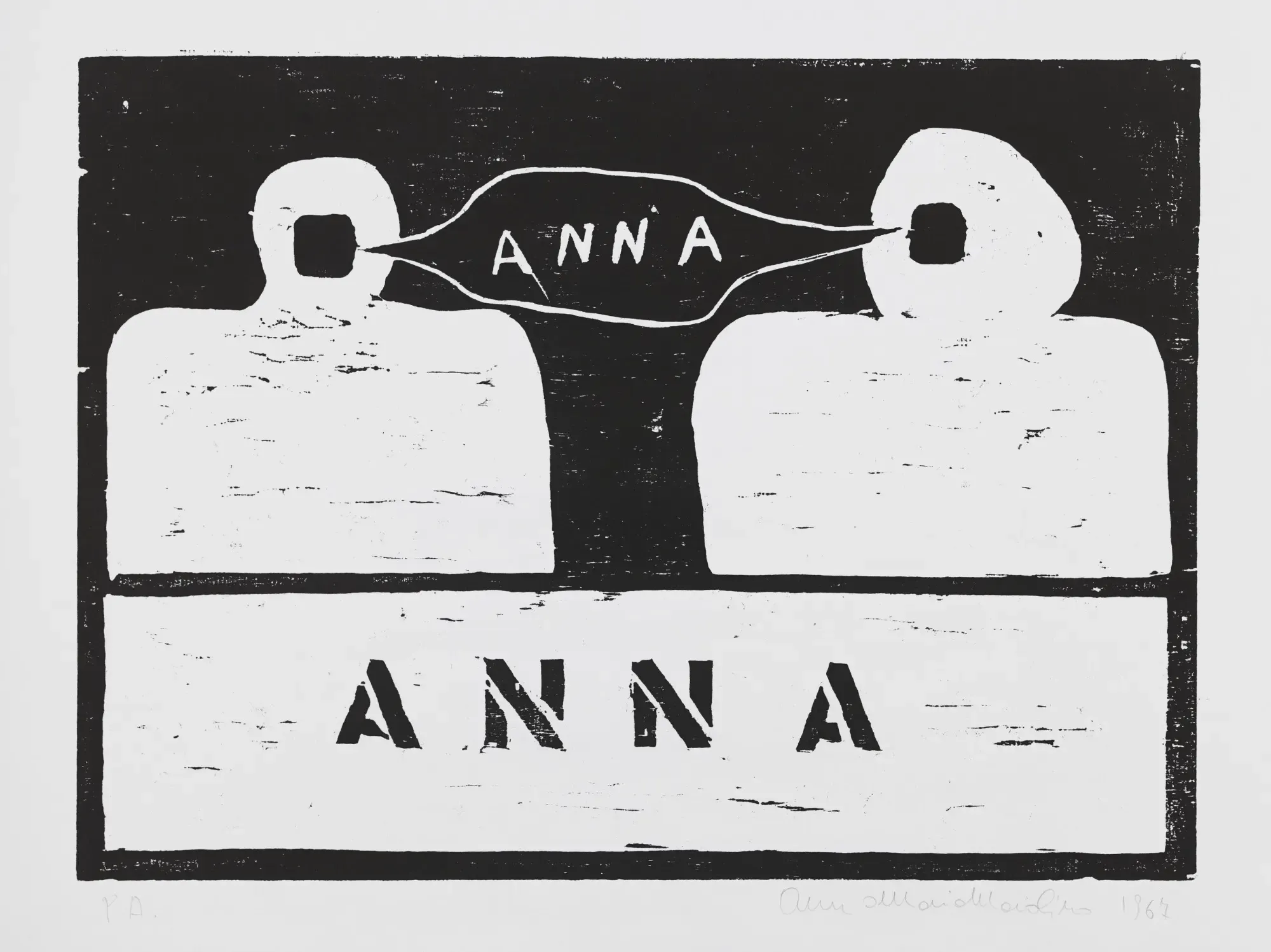
ANNA—And the Infinite Line
For more than six decades, Anna Maria Maiolino has pursued an expansive artistic practice shaped by her experiences of migration, motherhood and the complexities of daily life.
 On view
Hauser & Wirth
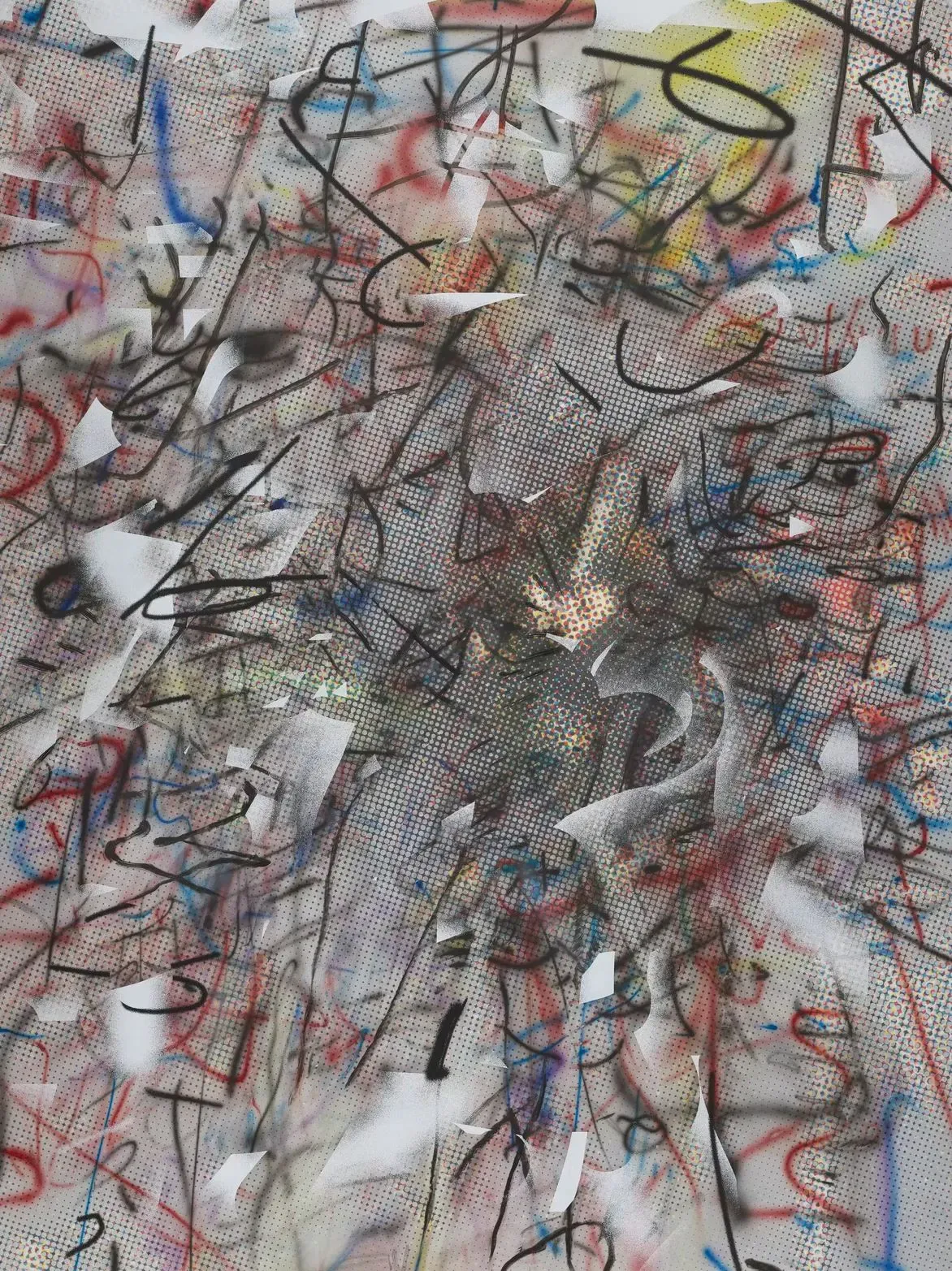
Directionless
Opening this summer, ‘Directionless’ is a sweeping group exhibition organised by artist Rashid Johnson. The project begins with the premise that we are living in a moment of profound disorientation.
Hauser & Wirth
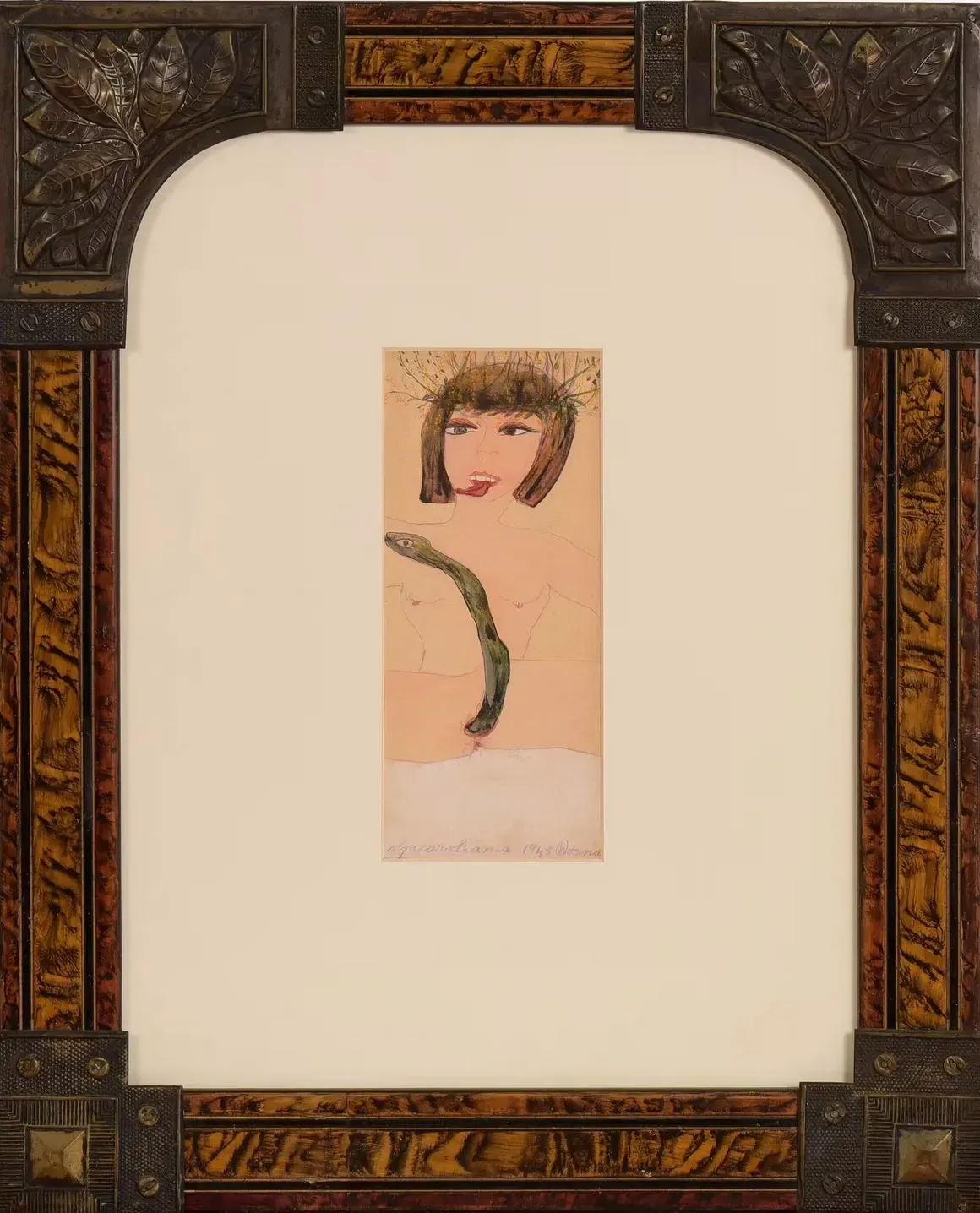
Carol Rama: I See You You See Me
May 12 – July 31, 2026 Carol Rama: I See You You See Me Hauser & Wirth In Person Viewing: 542 West 22nd Street New York 10011 Online Viewing: https://www.hauserwirth.com/hauser-wirth-exhibitions/carol-rama-i-see-you-you-see-me/ ‘I See You You See Me’ marks the gallery’s firs